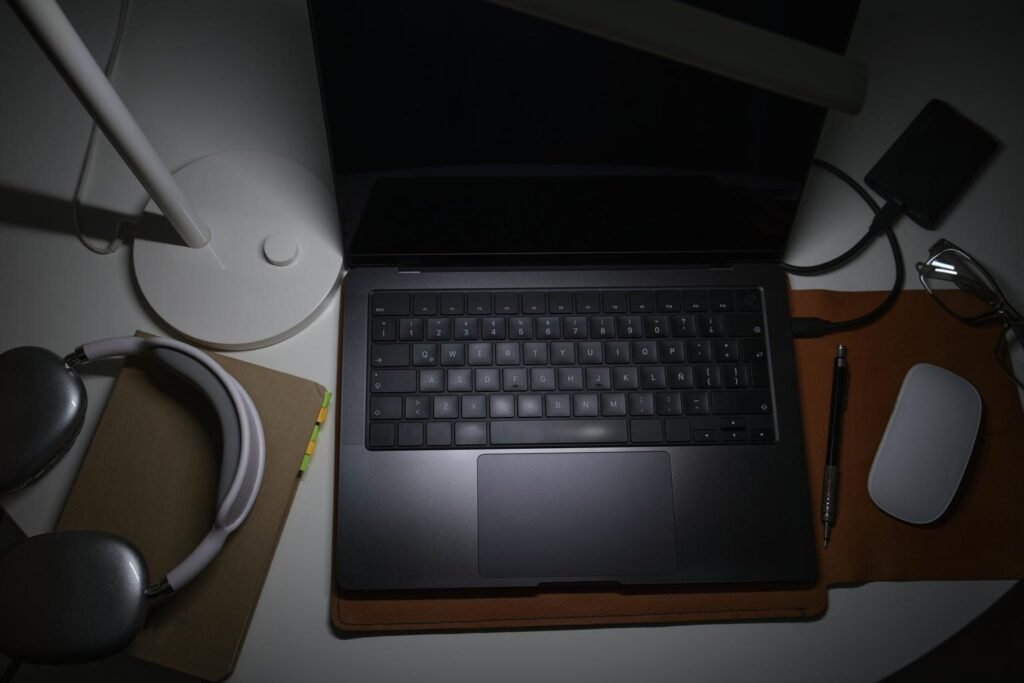
Ever felt your vision blur after hours of reading or working on a computer? Many people ignore the burning sensation in their eyes until it turns into a headache. One of the most overlooked causes of digital eye fatigue is poor desk lighting.
Choosing the best desk lamp for eye comfort can make a huge difference in how productive and comfortable your workday feels. Proper lighting reduces glare, improves visibility, and helps prevent long-term eye strain.
If you are building a healthier workspace, you may also want to read our guide on creating a comfortable desk setup.
A well-lit workspace helps you stay focused, reduces fatigue, and protects your eyes during long hours of work or study.
Key Takeaways
- Choose LED lamps with a high Color Rendering Index (CRI) for accurate colors
- Select flicker-free lighting to reduce eye fatigue
- Adjustable brightness allows lighting for different tasks
- Ideal color temperature ranges between 2700K and 5000K
- Flexible lamp arms allow better light positioning
- Even light distribution prevents dark spots and glare
Why Proper Desk Lighting Matters for Your Eyes
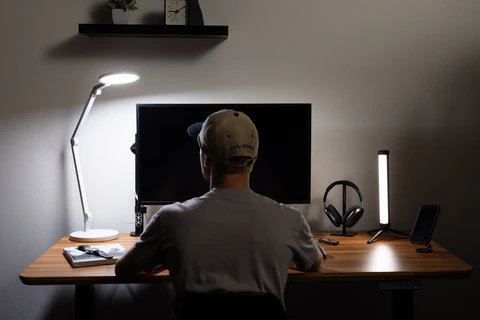
Eye friendly desk lighting setup preventing glare and digital eye strain
The right desk lighting can greatly reduce eye strain and improve productivity. Many people focus on chairs and monitors when setting up their workspace, but lighting plays an equally important role.
Good lighting supports eye health and allows you to work longer without discomfort.
Poor lighting can cause:
- Eye fatigue
- Headaches
- Blurry vision
- Difficulty focusing
If your workspace also causes physical discomfort, you may want to learn how to sit without lower back pain while working at a desk.
Understanding How Poor Lighting Causes Eye Strain
The Science Behind Digital Eye Fatigue
Digital eye fatigue occurs when your eyes work harder than normal to focus on screens. Blue light from monitors combined with poor lighting can increase strain and make your eyes tired faster.
Common causes include:
- Long hours of screen use
- Glare from overhead lights
- Low lighting conditions
- Incorrect monitor brightness
Common Lighting Problems That Harm Your Vision
Several lighting mistakes can increase eye strain:
Insufficient lighting
Working in dim lighting forces your eyes to constantly adjust.
Harsh lighting
Bright overhead lights or direct light sources create glare.
Poor lamp placement
Improper lamp positioning can cause reflections on screens.
Signs You Need Better Desk Lighting
You may need a better desk lamp if you experience:
- Frequent headaches
- Burning or dry eyes
- Blurry vision
- Sensitivity to light
Types of Eye-Friendly Desk Lamps
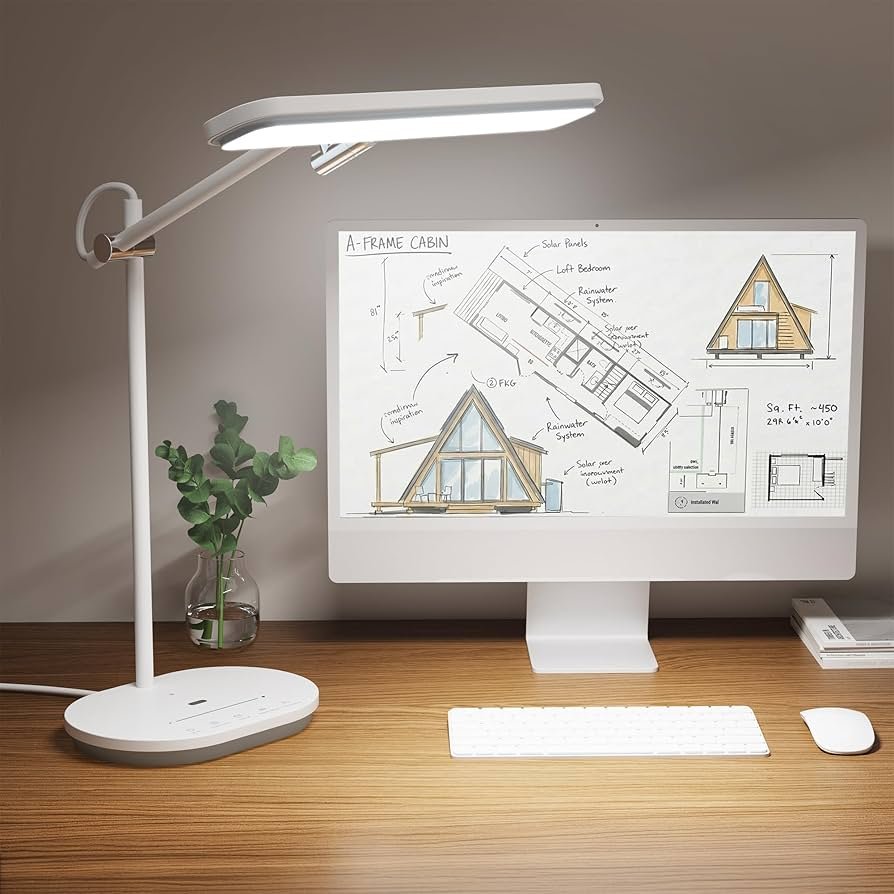
Different types of adjustable desk lamps used for ergonomic workspace lighting
LED Desk Lamps
LED lamps are one of the best options for eye comfort because they provide steady flicker-free lighting and use less electricity.
Benefits include:
- Energy efficiency
- Adjustable brightness
- Reduced eye fatigue
Adjustable Arm Task Lamps
These lamps allow you to move the light exactly where you need it. They are ideal for:
- Reading
- Writing
- Detailed work
Full-Spectrum Natural Light Lamps
Full-spectrum lamps mimic natural daylight. They are useful for people who work indoors all day and want lighting that feels more natural.
Clamp and Swing Arm Lamps
Clamp lamps attach directly to your desk and save space. Their adjustable arms allow precise lighting placement.
Best Desk Lamp Features to Look For
Color Temperature Settings
Color temperature affects how warm or cool the light appears.
Warm light (2700K–3000K) works well for relaxing tasks.
Cool light (3500K–5000K) helps improve focus and alertness.
Most users find 3000K–5000K the most comfortable range.
Brightness Control
Adjustable brightness helps prevent eye fatigue. The recommended brightness for desk work is usually 200–500 lumens.
Flexible Positioning
A flexible arm lets you aim the light where it is needed without creating glare on your screen.
Blue Light Reduction
Some desk lamps include filters that reduce blue light exposure, helping protect your eyes during long screen sessions.
Flicker-Free Technology
Flicker-free lighting provides consistent illumination and reduces headaches and visual discomfort.
Advantages and Drawbacks of Different Desk Lamps
Benefits
Eye-comfort desk lamps provide:
- Reduced eye strain
- Better productivity
- Comfortable lighting for long work sessions
Limitations
Some advanced desk lamps can be more expensive. However, investing in quality lighting improves long-term eye health and work performance.
Practical Tips for Choosing the Right Desk Lamp
Evaluate Your Desk Setup
Smaller desks benefit from compact lamps with adjustable arms. Larger desks may require lamps that cover a wider area.
Match Lighting to Your Work Tasks
Reading and writing tasks require focused lighting, while computer work benefits from softer lighting that reduces screen glare.
Think Long Term
A good desk lamp is an investment in your health. Spending a little more on quality lighting can prevent eye discomfort over time.
If you want to improve your full workspace comfort, you may also find our guide on reduce eye strain while working at a desk helpful.
Conclusion
Proper desk lighting plays an important role in protecting your eyes and improving productivity. A high-quality desk lamp with adjustable brightness, proper color temperature, and flicker-free lighting can significantly reduce eye strain.
By choosing the best desk lamp for eye comfort, you can create a workspace that supports focus, comfort, and long-term eye health.
Affiliate Disclaimer
MarketPlazaNow.com participates in affiliate programs. This means we may earn a commission if you purchase products through links on our website. These commissions help support the content we create while allowing us to provide helpful information to readers. Our recommendations are based on research and are intended to help you make informed decisions.