Working from home sounds comfortable — until your body starts telling you otherwise.
At first it’s small things. A tight lower back. Shoulders that feel heavy by the afternoon. You shift around in your chair trying to get comfortable, but nothing really fixes it. By the end of the day, you’re more tired than you should be… even if your work wasn’t that hard.
Many people assume they’re just getting older or out of shape.
Often, it’s not you.
It’s your setup.
Small improvements to your home workspace can dramatically change how you feel during the day. One specific upgrade, in particular, tends to make an immediate difference in both comfort and focus.
Key Takeaways
- Home workspaces are rarely designed for long daily use
- Discomfort quietly reduces concentration and energy
- Temporary fixes usually don’t solve the real problem
- Proper support improves posture and focus
- A simple seating upgrade often makes the biggest impact
The Daily Discomfort Most People Ignore

Most home offices were never meant to be offices.
Kitchen chairs, couches, and dining tables work fine for short periods — but not for 6–10 hours a day. Over time, the body compensates for lack of support.
This leads to:
- slouching
- leaning forward
- neck strain
- tight hips
- afternoon fatigue
The problem builds slowly, so people often don’t connect their discomfort to their workspace.
Why Your Home Setup Is Working Against You

Furniture in most homes is built for short sitting sessions — meals, relaxing, or brief computer use. It usually lacks proper back support, correct seat height, and arm positioning.
Without support, your muscles stay active all day just to hold you upright.
Your body never truly relaxes.
Over hours and days, this creates:
- muscle tension
- reduced circulation
- concentration loss
- quicker exhaustion
You may notice you feel mentally drained even when your workload is light. Physical discomfort quietly consumes energy.
The Productivity Effect You Don’t Notice

When the body is uncomfortable, the brain struggles to focus.
You check your phone more often.
You stand up repeatedly.
Tasks take longer than they should.
This isn’t laziness — it’s distraction caused by discomfort signals your brain keeps receiving.
Many people experience:
- shorter attention span
- irritability
- mental fatigue
- lower motivation
Fixing the physical cause often improves productivity without changing your schedule at all.
Quick Fixes That Don’t Actually Solve It
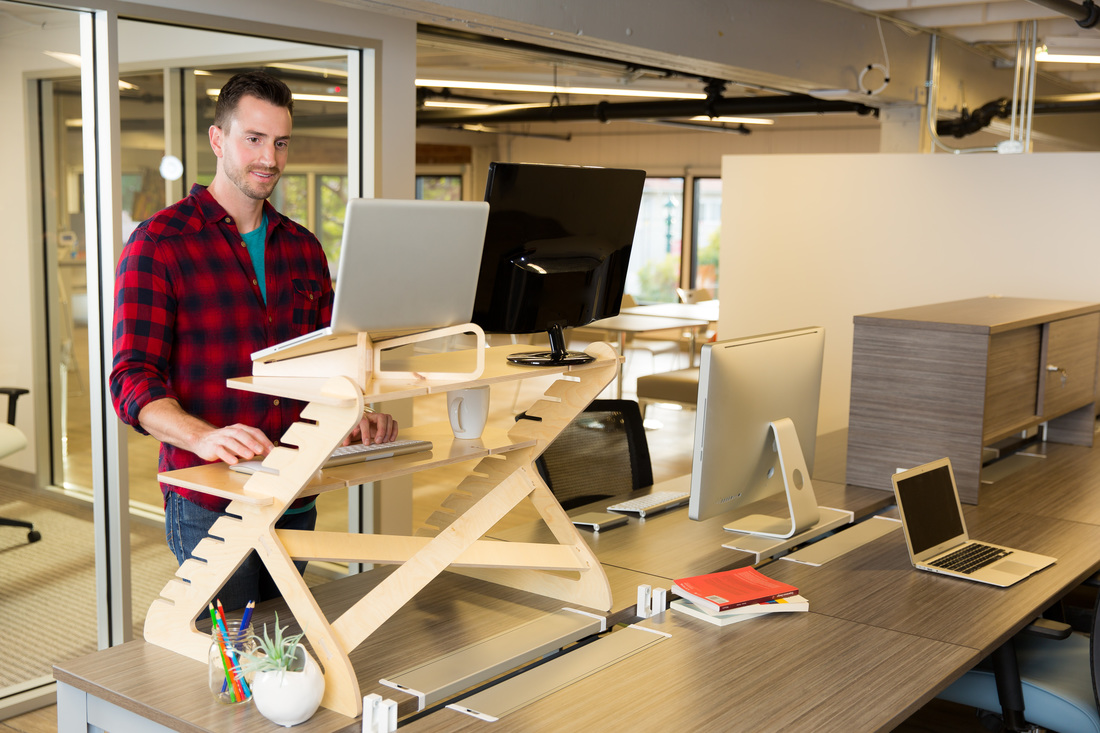
People usually try simple fixes first:
- extra pillows
- sitting on the couch
- posture reminder apps
- standing occasionally
They help briefly.
But the discomfort returns because the root problem — lack of consistent support — is still there.
Everyday products that make life easier
Temporary adjustments reduce symptoms, not the cause.
The Home Upgrade That Makes the Biggest Difference

The single upgrade that most consistently improves comfort is proper ergonomic seating.
A supportive chair does something simple but important:
it allows your muscles to relax while your body stays aligned.
Instead of your body holding you upright, the chair supports you.
Key features that matter:
- lumbar (lower back) support
- adjustable height
- arm support
- seat depth that fits your legs
You don’t need the most expensive option — you just need real support.
What People Usually Notice First
Within the first few days, many people notice:
- less lower back tightness
- improved focus
- fewer position changes
- more energy after work
The change is subtle but noticeable. Instead of feeling worn out after normal tasks, your energy lasts longer.
Comfort doesn’t just affect your body — it affects your mood and patience throughout the day.
Who Benefits Most
This upgrade helps especially if you:
- work remotely
- attend online classes
- use a computer several hours daily
- experience back or neck stiffness
- feel tired after desk work
Even casual computer users often notice a difference because the body finally receives consistent support.
Conclusion
Productivity isn’t always about better time management or discipline. Sometimes it’s physical comfort.
A workspace that supports your body allows your attention and energy to stay where they belong — on your tasks, not on discomfort.
Small changes can have surprisingly large effects. For many people, upgrading their seating is one of the simplest improvements they wish they had made much sooner.
If you want to explore options, you can check current availability and pricing online and compare features that fit your space and daily routine.
Affiliate Disclosure:
Some links on this site may be affiliate links. This means we may earn a small commission if you choose to make a purchase through them, at no additional cost to you. These recommendations are based on general research and everyday usability considerations.