Ever felt your head pounding and your eyes blurry after a few hours at the computer?
Most people blame the screen.
But the real culprit is usually bad lighting.
Poor desk lighting forces your eyes to constantly adjust between a bright monitor and a dark room. Over time, that creates fatigue, headaches, and loss of focus.
A proper desk lamp doesn’t just light your desk — it protects your eyes, improves concentration, and even helps your mood while working.
This guide will show you exactly how to choose the best desk lamp for eye comfort and build a healthier home office.
Why Eye Comfort Should Drive Your Desk Lamp Decision
Eye comfort should be the #1 priority when choosing a desk lamp.
Bad lighting can cause:
- eye strain
- tension headaches
- blurred vision
- poor sleep
- reduced productivity
When your lighting is correct, your eyes relax. When your eyes relax, your brain performs better.
Good lighting is not a luxury — it is part of an ergonomic workspace.
A proper workspace includes seating, monitor height, and lighting, along with other essential home office accessories that support daily comfort.
The Hidden Cost of Poor Home Office Lighting
Working in dim or harsh lighting slowly drains energy. Your eyes work harder than they should, and your body reacts.
Symptoms often include:
- squinting
- rubbing eyes
- neck leaning toward the screen
- afternoon fatigue
Over weeks and months, productivity drops dramatically.
Good lighting often improves focus immediately.
Ambient Lighting vs Task Lighting
There are two types of lighting your office needs:
Ambient lighting – lights the entire room
Task lighting – lights your specific work area
A desk lamp is task lighting.
You need both.
Never rely on a ceiling light alone — it causes shadows and glare.
Types of Desk Lamps
LED Desk Lamps
Best overall choice.
Benefits:
- flicker-free light
- adjustable brightness
- long lifespan
- low heat
- energy efficient
LED lamps are the most eye-friendly option.
Clamp-On Lamps
Best for small desks.
They attach to the edge of the desk and save space.
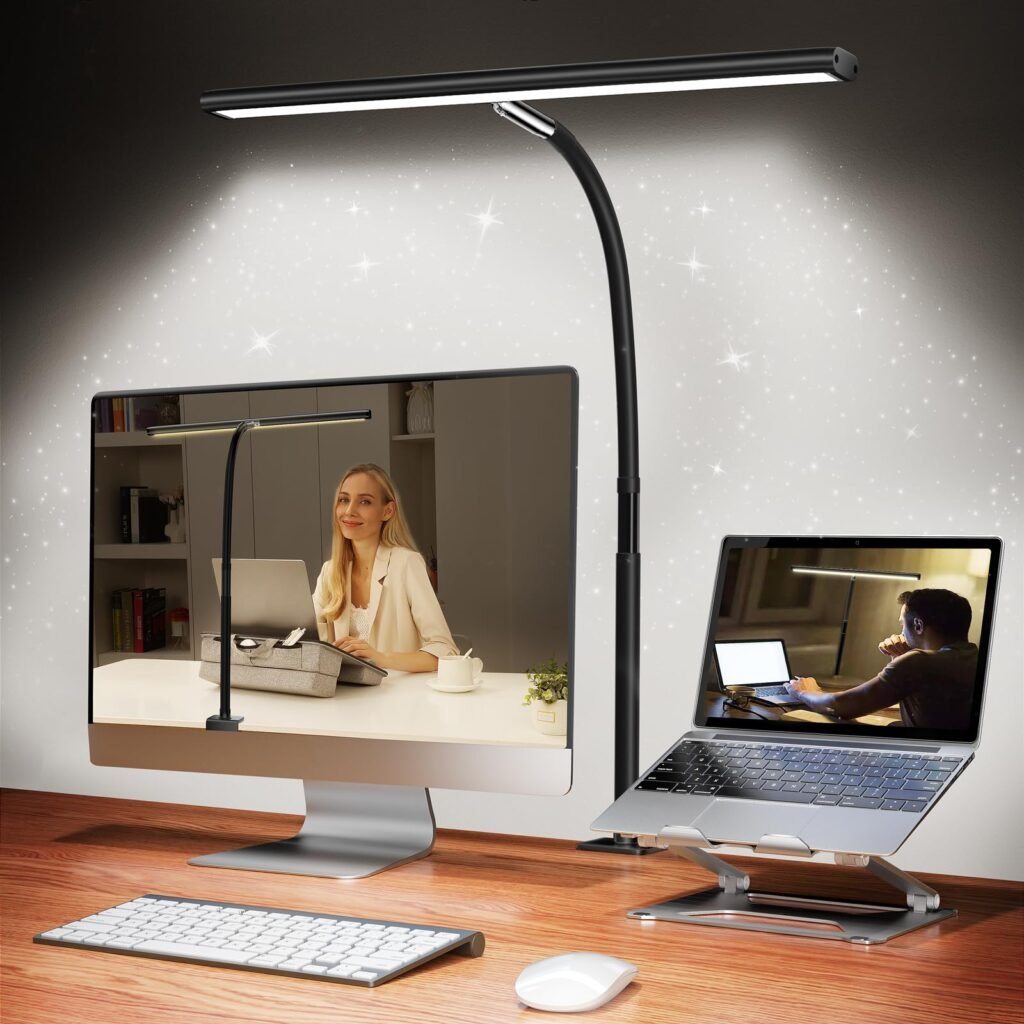
Adjustable Arm Lamps
Ideal for productivity work.
They allow you to direct light exactly where needed and reduce glare.
How to Choose the Right Desk Lamp (Step-by-Step)
Step 1 — Evaluate Your Desk Size
Small desk → clamp lamp
Large desk → adjustable arm lamp
Step 2 — Identify Your Tasks
Reading & writing → brighter focused light
Computer work → softer indirect light
Step 3 — Check Your Current Room Lighting
If your room is dark, choose higher brightness.
Step 4 — Choose Adjustable Brightness
You NEED dimming control. This is one of the biggest eye strain preventers.
Step 5 — Pick the Right Color Temperature
This is extremely important.
Best Color Temperature for Eye Comfort
| Color | Kelvin | Use |
|---|---|---|
| Warm (2700K) | Evening work | |
| Neutral (4000K) | Best overall | |
| Cool (5000K) | Focus tasks |
4000K (Neutral White) is the best daily setting.
Critical Features You Must Look For
Always choose a desk lamp with:
• adjustable brightness
• flicker-free LED
• adjustable arm or head
• anti-glare diffuser
• high CRI (90+)
• multiple color temperatures
These features dramatically reduce digital eye strain.
Correct Desk Lamp Position (VERY IMPORTANT)
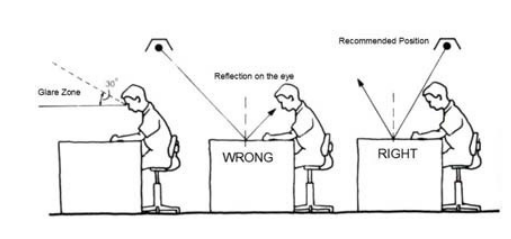
Proper placement rules:
- Place lamp beside monitor
- Never behind screen
- Never shining into eyes
- Light should hit desk, not screen
Common Desk Lamp Mistakes
Avoid these:
• placing lamp directly behind monitor
• lighting only the screen
• using extremely cool (blue) light at night
• working in a dark room with a bright monitor
• using decorative lamps instead of task lamps
Conclusion
Choosing the right desk lamp is one of the easiest ways to improve comfort while working from home.
Within a single day you may notice:
- fewer headaches
- less eye strain
- better concentration
- improved productivity
A proper lighting setup turns your workspace from exhausting → sustainable.
Your eyes are doing hours of work every day.
Give them the environment they need to stay healthy.
MarketPlazaNow.com participates in affiliate programs and may earn commissions from qualifying purchases. This content is for informational purposes only and does not constitute medical or professional advice.