Learn how to choose a desk lamp for long work hours without causing eye strain, glare, or discomfort in your home office.
If you work at a desk for hours every day, your lamp matters more than most people realize. A bad desk lamp can create glare, make your eyes feel tired, and even leave you with headaches by the end of the day. On the other hand, the right desk lamp can make your workspace feel calmer, clearer, and much more comfortable.
A lot of people assume any lamp will do as long as it gives off light. That is usually where the problem starts. The best desk lamp for long work hours should not be too harsh, too dim, or pointed directly at your eyes or screen. It should support your work, not fight against it.
Why Your Desk Lamp Can Make You Feel Worse
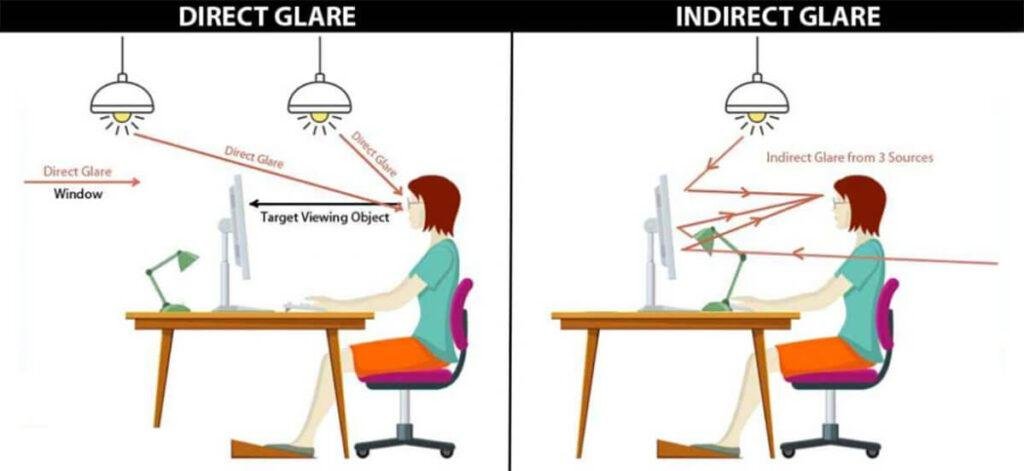
When your lighting is off, your eyes constantly work harder to adjust. This can happen when your lamp is too bright, too cool-toned, too close to your monitor, or placed at the wrong angle.
Poor lighting often leads to:
- Eye strain
- Headaches
- Dry eyes
- Screen glare
- Mental fatigue
- Trouble focusing later in the day
This is one reason a full workspace setup matters. If you want to improve your overall comfort beyond just your lamp, this guide on making your desk more comfortable covers other small fixes that can make a big difference
What to Look for in a Desk Lamp for Long Hours
Not every desk lamp is built for extended computer work. Some are better for reading paper documents, while others are better for creating soft, balanced lighting around a screen.
Here are the features that matter most.
1. Adjustable Brightness
A lamp with adjustable brightness is one of the best things you can buy for eye comfort. Your lighting needs are not always the same throughout the day. Morning light, afternoon glare, cloudy weather, and nighttime work all affect how bright your lamp should be.
If your lamp only has one setting, it may feel fine sometimes and way too intense at other times.
2. Adjustable Color Temperature
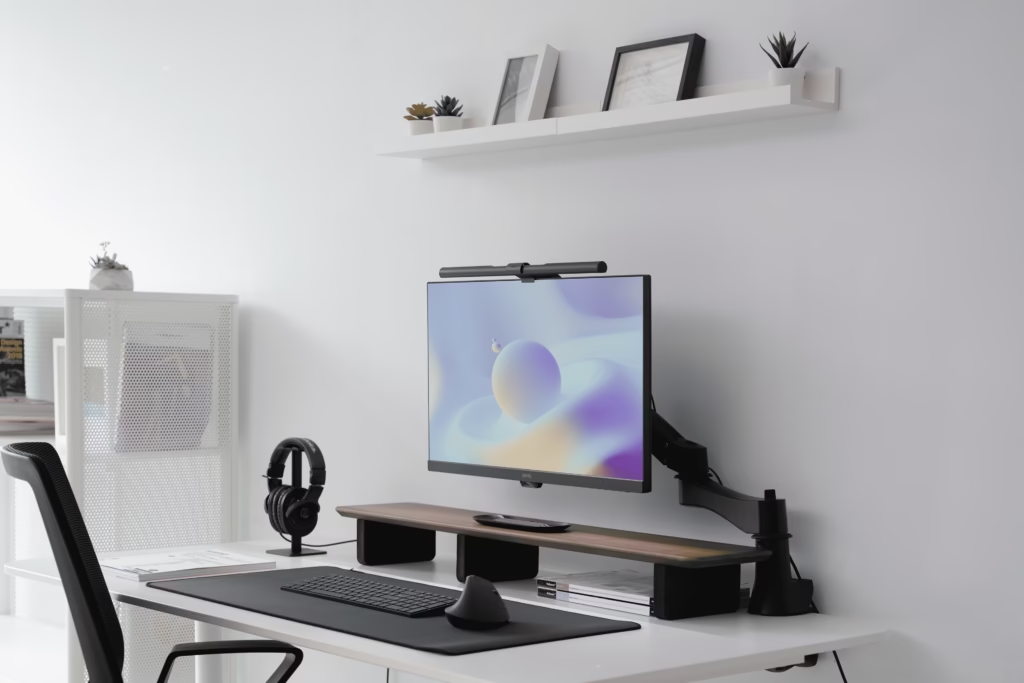
Warm light usually feels softer and more relaxing, while cooler light feels brighter and more alert. For long work sessions, many people prefer a neutral or slightly warm tone instead of an overly blue-white light.
A lamp with multiple color modes gives you more control and helps you avoid that harsh, sterile look that can make a workspace feel uncomfortable.
3. Flexible Positioning
A good lamp should let you move the head and arm easily. You should be able to direct the light where you need it without shining it straight into your eyes or onto your monitor.
Lamp placement plays a huge role in comfort. If you are not sure where your desk lamp should go, this article explains better positioning for eye comfort in a simple way
4. Soft, Even Light
A lamp that creates a softer spread of light is usually better than one that feels like a spotlight. You do not want a sharp beam hitting one small area while the rest of the desk stays dark. That kind of contrast can make your eyes tired faster.
For long work hours, balanced light is usually more comfortable than intense direct light.
The Biggest Desk Lamp Mistakes People Make
Sometimes eye strain is not caused by the lamp itself, but by how it is used.
Putting the Lamp Directly in Front of the Screen
This often creates glare and reflections. It can also make your screen feel harder to read.
Using a Lamp That Is Too Bright
More light is not always better. A lamp that is too bright can feel aggressive, especially at night.
Ignoring the Rest of the Room
A desk lamp should work with the room, not against it. If your desk is brightly lit but the rest of the room is dark, the contrast can feel uncomfortable. A better overall approach can help reduce that problem. This lighting guide for computer work explains how the full setup matters, not just the lamp alone
Choosing Style Over Function
A lamp can look beautiful and still be terrible for real work. For long hours, comfort features matter more than appearance alone.
Best Lamp Style for Long Work Sessions
The best style is usually a simple adjustable LED desk lamp with:
- Brightness control
- Color temperature options
- A movable arm or head
- Flicker-free lighting
- A stable base
Minimal, practical designs often work best because they are easier to position correctly and do not overwhelm the desk.
How to Tell If Your Current Lamp Is the Problem
Your current lamp may be causing issues if:
- Your eyes feel tired after a short period of work
- You notice glare on your monitor
- You squint often while reading
- One side of your desk feels overly bright
- You get headaches more in the evening
- Your desk feels uncomfortable even when your chair and screen are fine
Sometimes changing the lamp or simply adjusting its placement can improve your workday faster than buying bigger office upgrades.
Final Thoughts
Choosing a desk lamp for long work hours is really about comfort, not just brightness. The right lamp should help your eyes relax, reduce glare, and make your workspace feel easier to use for hours at a time.
If you spend a large part of your day at a desk, this is one of those upgrades that can quietly improve everything. Better lighting can help you focus longer, feel less drained, and make your home office much more enjoyable to use.